Passing Observations
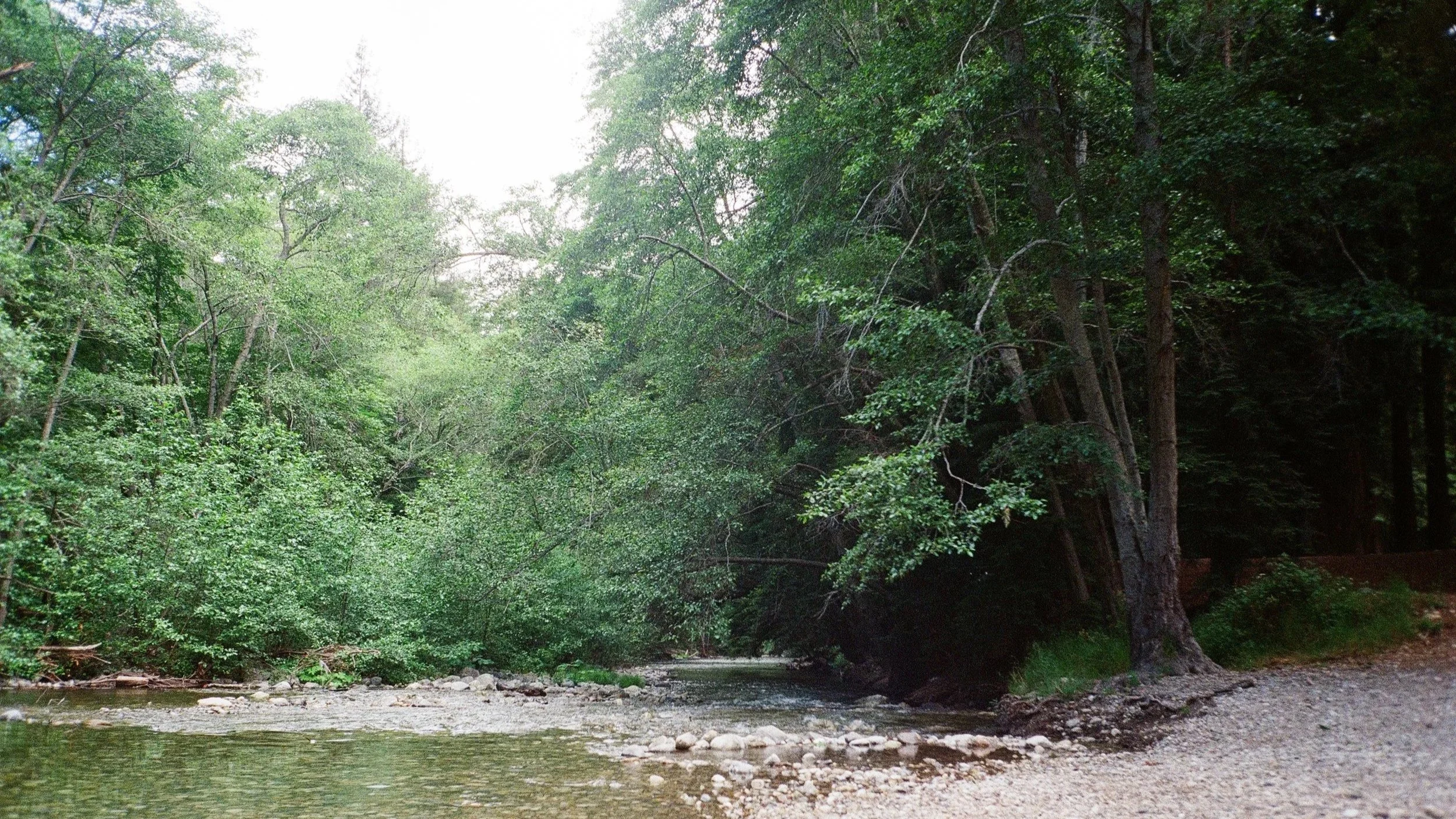
A spring camping trip to Big Sur, CA
We know travel is important because it gives us something new. Each new landscape reshapes the way we see the world, and by the time we return home, we’re no longer the same person who left.
But there is something equally compelling about returning to a place. Novelty has its magic, but revisiting a place often reveals a different kind of depth. You’re a different person each time you arrive, so the place becomes different, too. What a place has to offer unfolds in layers, and it takes time to peel them back.
Few places have taught me that more clearly than Big Sur. Big Sur asks little in return for its picturesque views and paradisiacal blues.
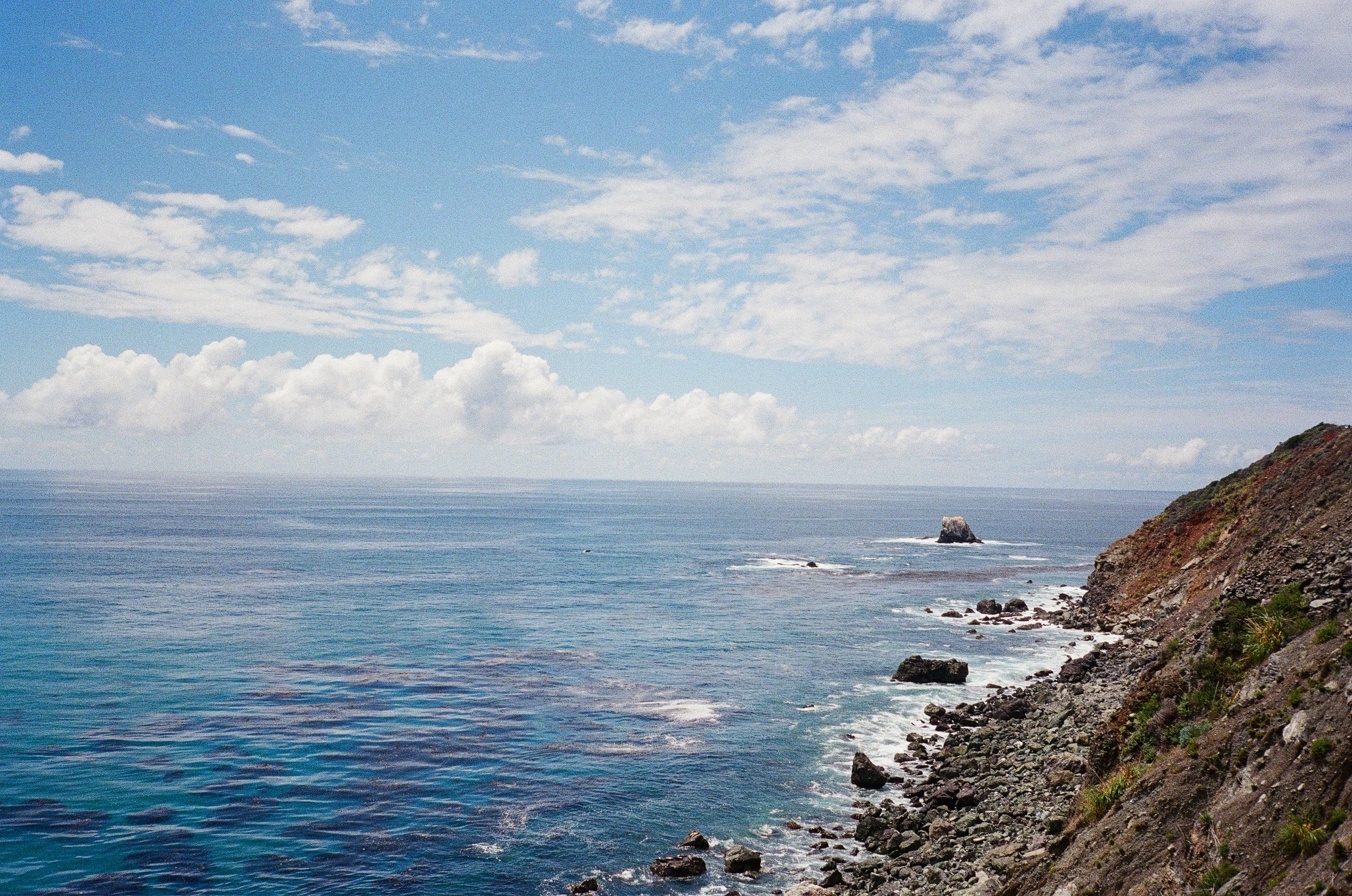
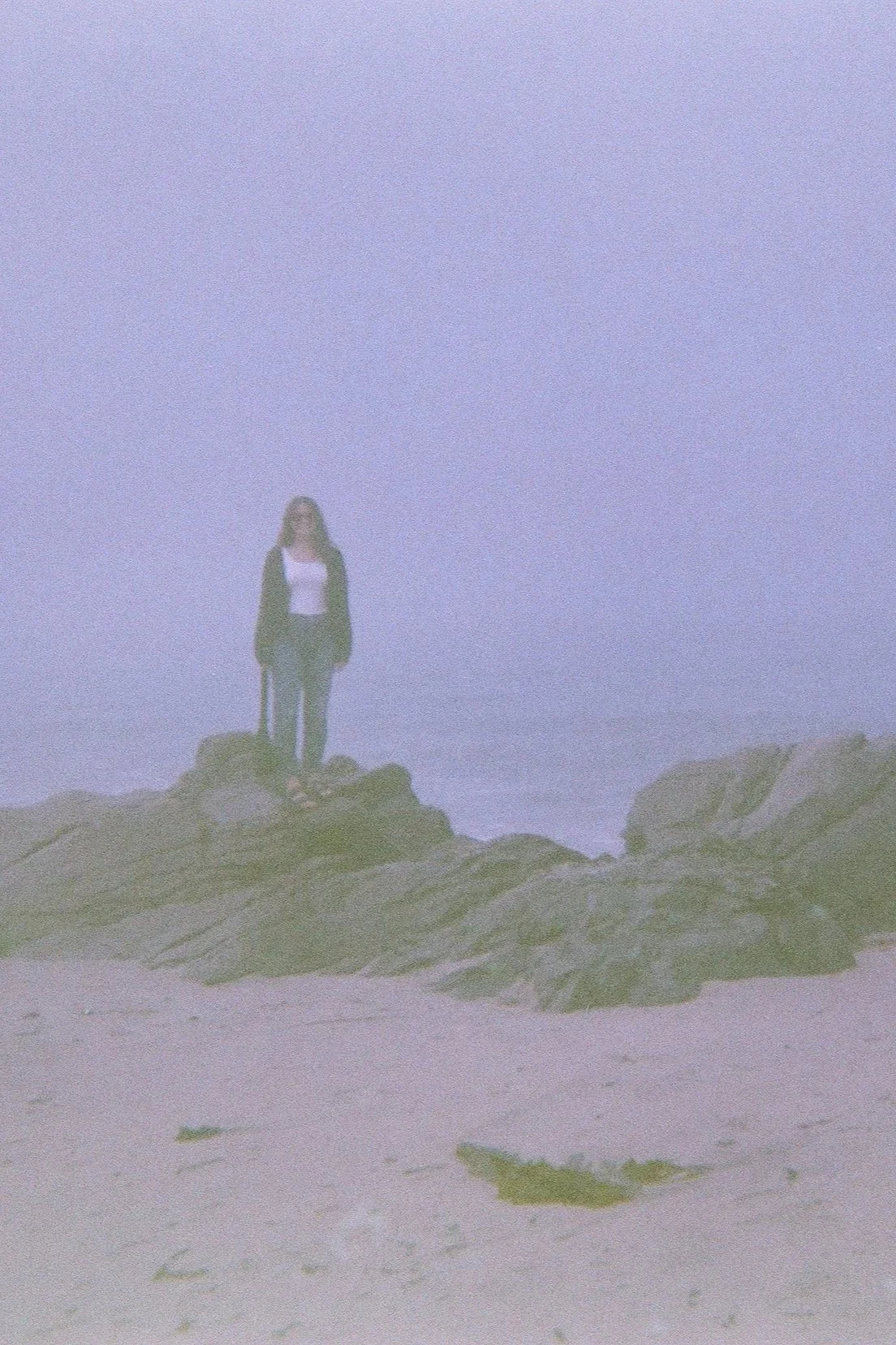
I returned to Big Sur this past May for a fourth time, my first visit in the spring. Previous visits had always been during the peak summer months, brief stops while driving the Pacific Coast Highway on my way somewhere else. Each time, I left feeling like I hadn't quite finished the visit. I could feel that Big Sur wanted me to stick around, and finally I did.
What was different about this visit was the scenery. While it was still unlike anywhere else in the world, it was quiet this time. It wasn’t commanding. It didn’t make me want to make myself more impressive so I could match it. On the surface, Big Sur is an exciting, grand, dramatic coastline. But if you look a little closer, it begins to feel like something else entirely.
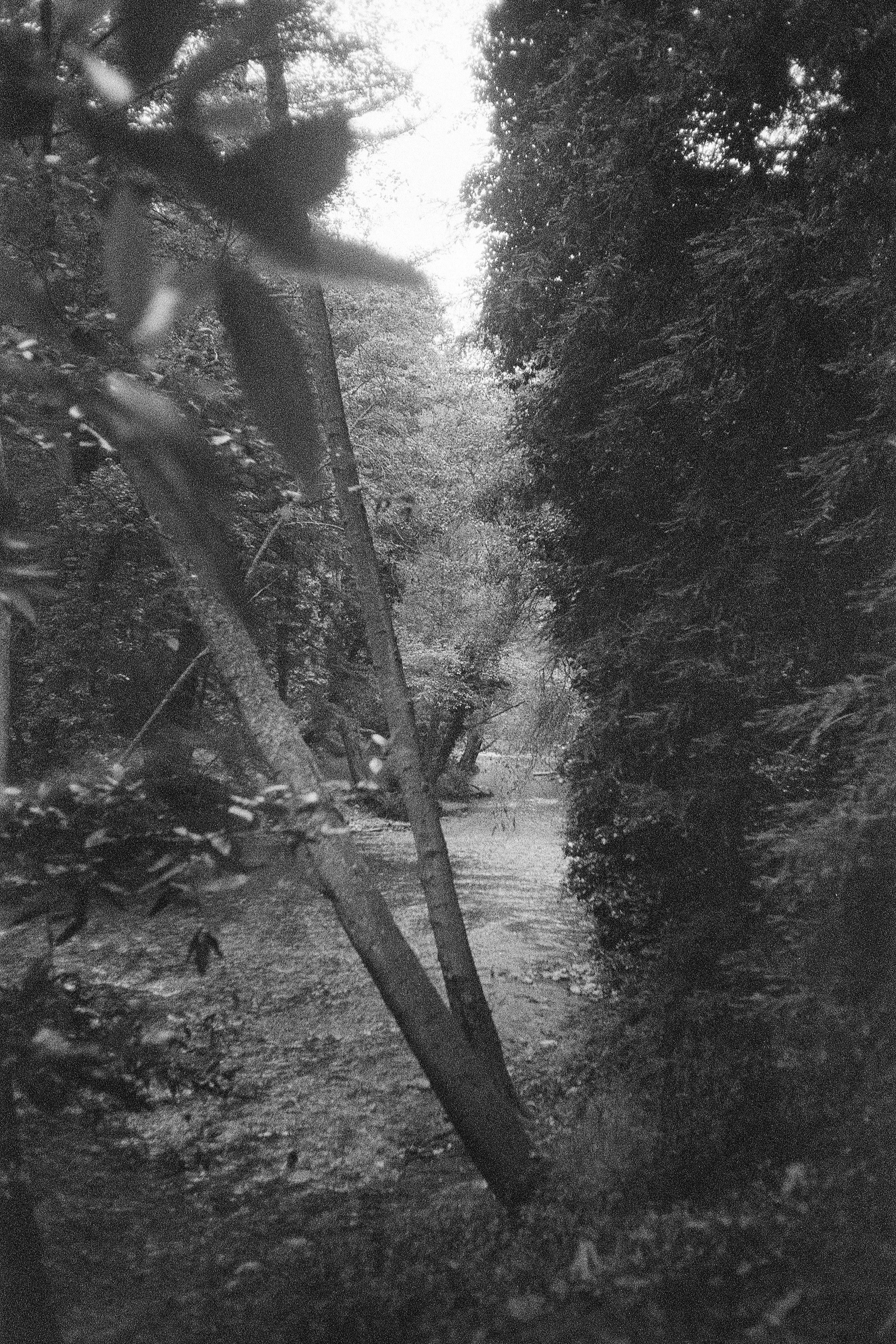
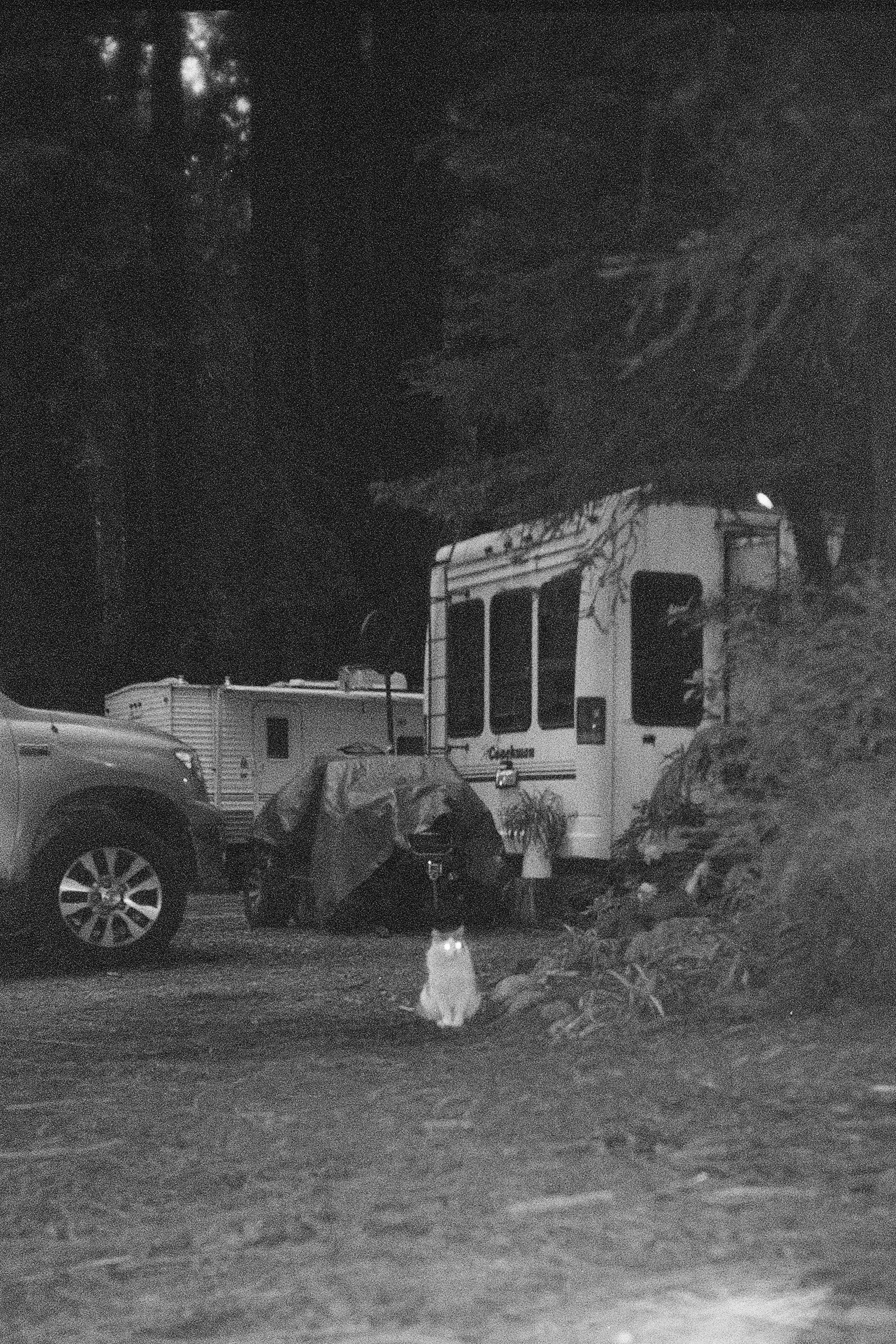
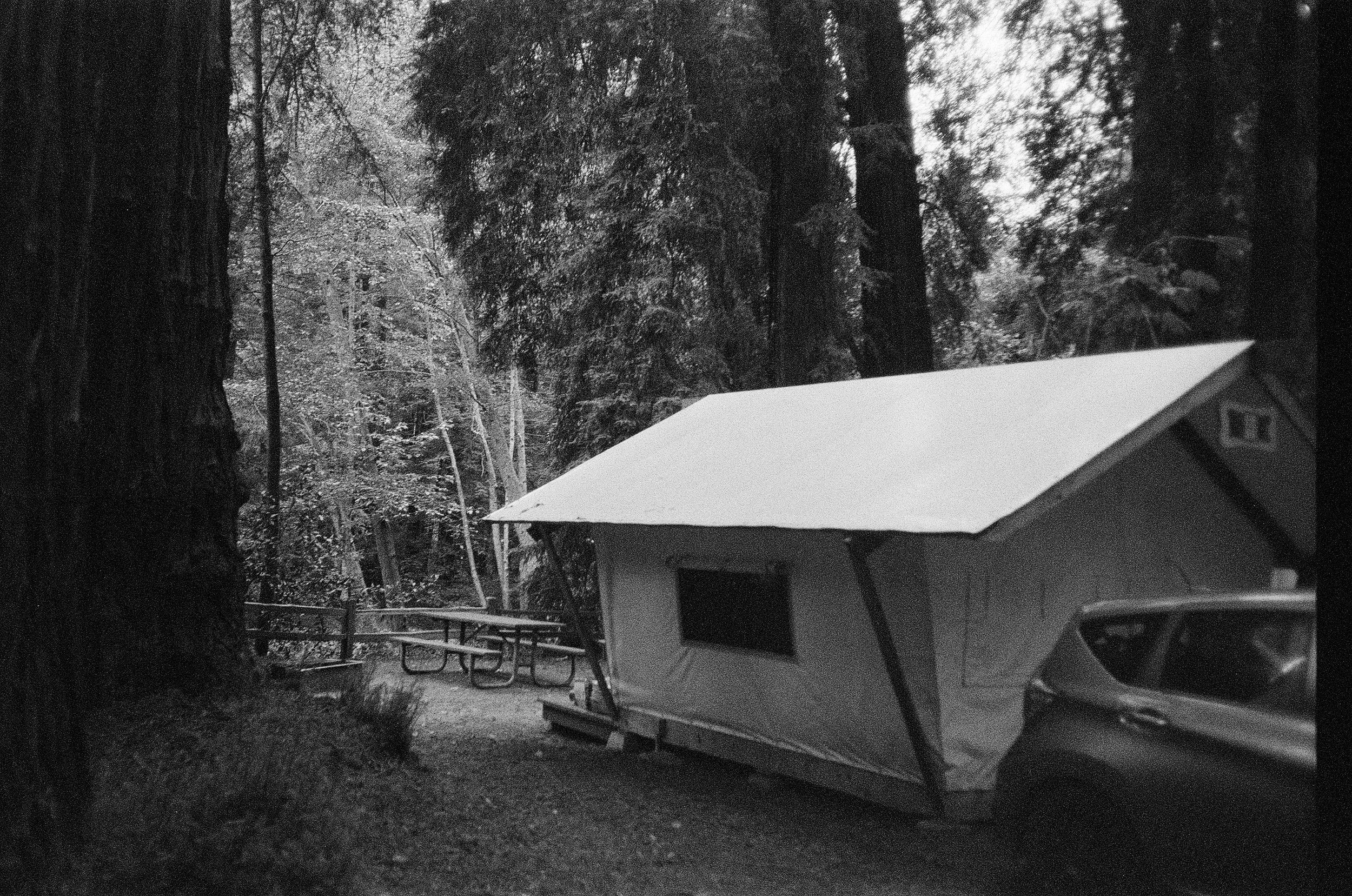
I spent a few days at Fernwood Resort, camping along the Big Sur River. It immediately felt less like travel and more like living. The days were measured in cups of tea, being nestled among the redwoods, visits from magical forest cats, and falling asleep to the sound of water outside the cabin. There was no itinerary to keep, nowhere I needed to be. For a few days, I simply stayed.
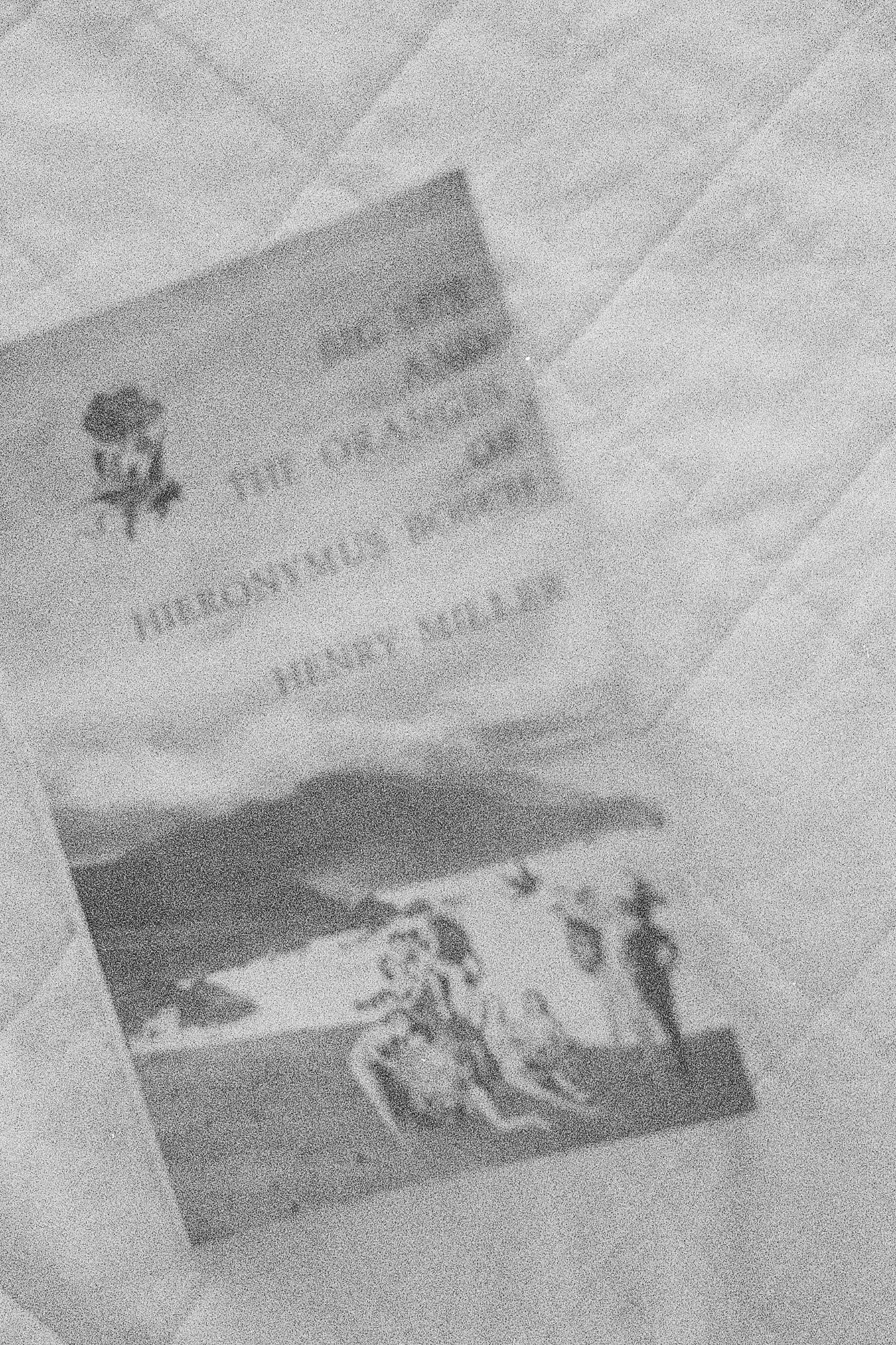
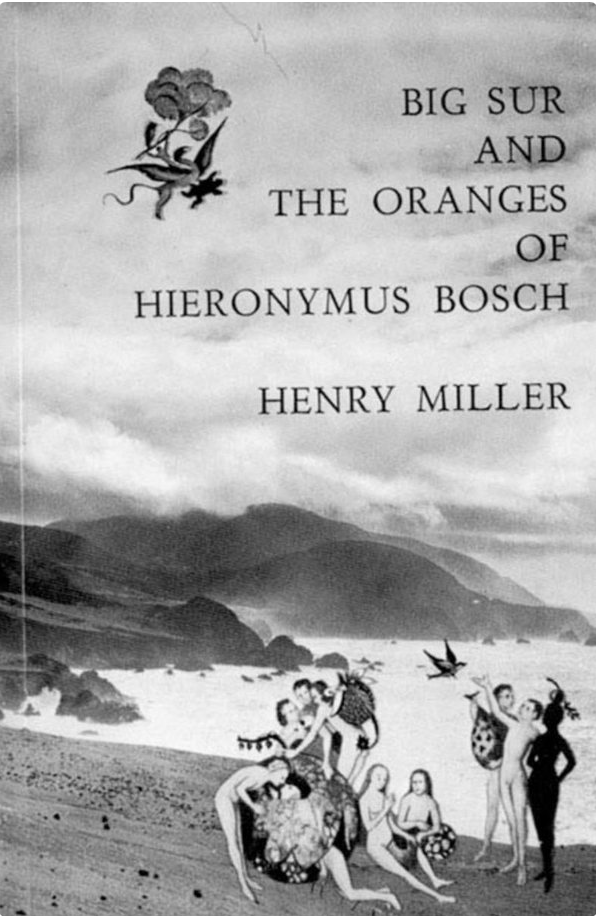
And once again, Henry Miller’s Big Sur and the Oranges of Hieronymus Bosch found its way into my bag.
I bought Big Sur and the Oranges of Hieronymus Bosch at the Henry Miller Memorial Library during my first trip through Big Sur in 2019. I decided then to do an experiment: I would only read the book when I was physically in Big Sur. It has taken me quite a long time to read it.
When this camping trip was booked, I was excited. I thought I would finally have enough time to finish the book and finally be able to write about it. I thought everything would resolve on this trip, but I should have known better. It has been seven years, and I’m still not finished.
Some books aren’t meant to be read quickly. Some ask you to sit with their passages for a while. You understand that their ideas are meaningful even if you can’t fully hold onto them. Passages from Big Sur continue to stay with me while the ending remains elusive. I inch my way closer to knowing what it’s trying to say, but there is still no resolve.
I don’t remember how or when I learned of the literary significance of Big Sur. I only know I have always wanted to immerse myself in it.
Big Sur was an extremely remote, largely inaccessible landscape until the completion of Highway 1 in 1937. Early writers and poets, including Robinson Jeffers, encouraged readers to visit and “uncenter our minds from ourselves.”
But it was arguably Henry Miller who immortalized Big Sur. He moved to the area in 1944 and published his semi-autobiographical Big Sur and the Oranges of Hieronymus Bosch in 1957. During Miller’s time there, Big Sur became a haven for artists and musicians—a place for bohemian and free-spirited people seeking an escape from the anxieties of modern industrial life.
The Beat Generation found its way there, too. In contrast to Miller’s transcendent sense of peace, Jack Kerouac wrote about his darker experiences in Big Sur in his book of the same name. Staying in a cabin owned by fellow writer and City Lights Books founder Lawrence Ferlinghetti, Kerouac descended into isolation and alcoholism in the wake of the success of On the Road.
Today, much of that literary history lives on at the Henry Miller Memorial Library, a cultural center and bookstore tucked into the redwoods.
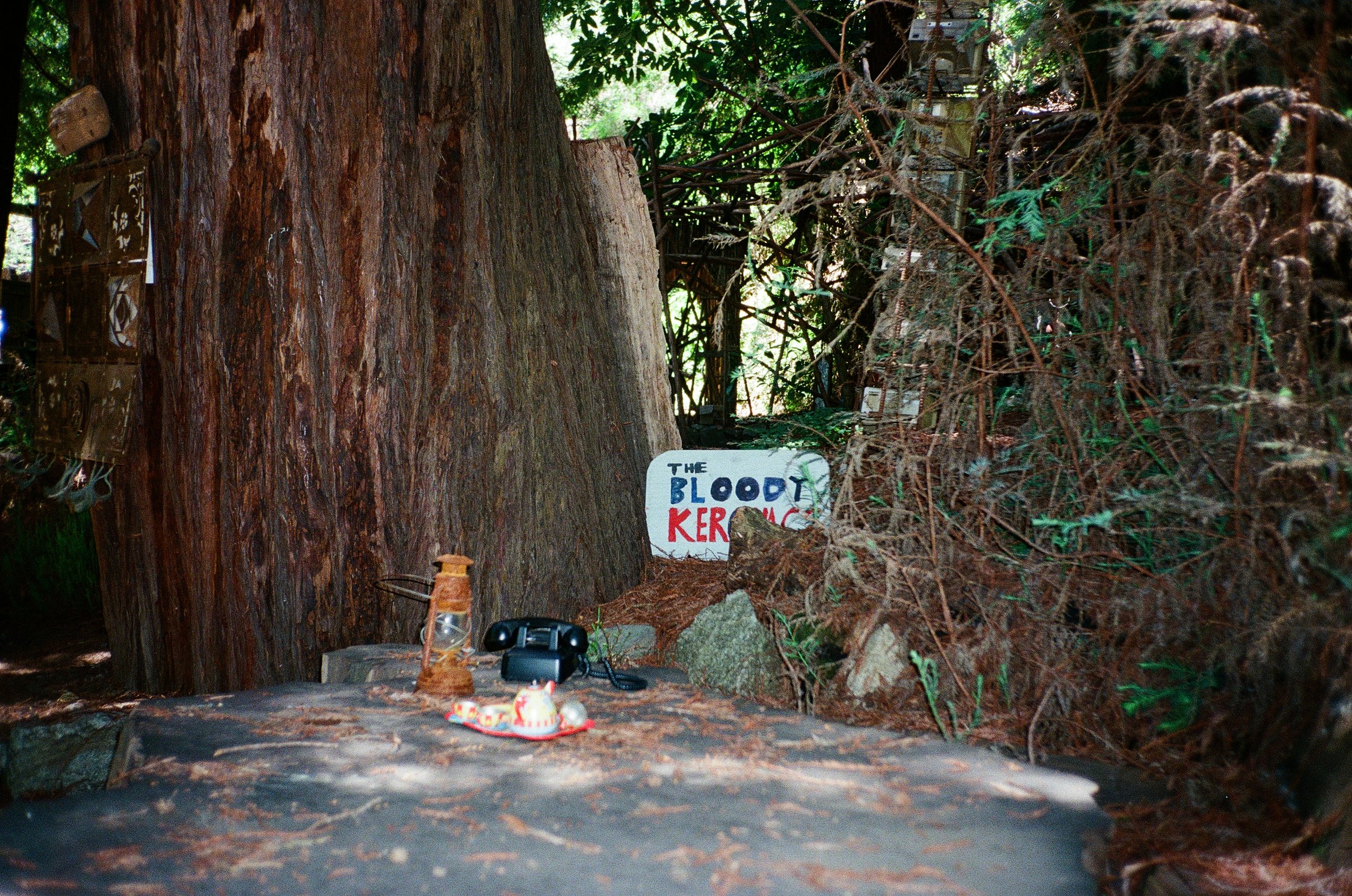
Outside at the Henry Miller Memorial Library.
I don’t know why I keep returning to Henry Miller’s Big Sur and the Oranges of Hieronymus Bosch. I don’t know why I feel compelled to read it only in Big Sur, or why I can’t seem to finish it while I’m there.
Maybe literary travel isn’t always about finishing a book before arriving at your destination, or even finishing it while you’re there. Sometimes it isn’t about reading at all. Sometimes it’s enough to simply sit where the book was written—to take in your surroundings, absorb the author’s inspiration, and let the place change you without knowing exactly why.
Sometimes walking the road a writer once walked, noticing the same river, or watching the same light fragment through the trees says more than the book could have.
There is something otherworldly about sharing the spaces of your literary heroes. Buildings and landscapes soak up the history that happens there. It lives on in the walls of their favorite pub, the rooms where they worked, the roads they walked every day. To encounter those places is to feel, however briefly, the weight of what happened there.
And perhaps this is why I keep returning to Big Sur. I don’t think knowing a place can be measured by how long you’ve stayed there. You don’t have to understand everything it’s trying to tell you. You only have to be there long enough to notice that it is saying something.
A place does not only belong to the people who inhabit it the most or the longest. Time is not equal to depth. You can spend your whole life in a place and never fully know it. The opposite is also true. In total, I have spent six days in Big Sur, but it has been a fundamental thread in connecting myself to this life.
Pick up Big Sur and the Oranges of Hieronymus Bosch below, or at your local bookshop.
Disclaimer: This page contains affiliate links. We may earn a small commission if you make a purchase using these links, at no extra cost to you.
Learn more about why we partner with bookshop.org below.